


Holy Graves at Easter


Heute möchte ich Euch einen Ortsteil von Reutte vorstellen, den Ihr vielleicht noch nicht entdeckt habt, obwohl er sich fast direkt im Ort befindet und einen Besuch lohnt – die Südtirolersiedlung.
Geschichtlicher Hintergrund
Südtirol wurde nach dem 1. Weltkrieg im Vertrag von Saint-Germain 1919 endgültig Italien zugesprochen. Das tägliche Leben der Südtiroler Bevölkerung, die zu ca. 90 % deutschsprachig war, wurde nun ständig schwieriger – so wurden beispielsweise deutschsprachige Schulen geschlossen und Italiener aus dem Süden angesiedelt. Nach dem Anschluss Österreichs an Deutschland im März 1938 hofften die Südtiroler, dass der neue Machthaber Adolf Hitler Südtirol wieder „heim ins Reich“ holen würde. Diese Hoffnung zerschlug sich, als im "Hitler-Mussolini-Abkommen" die sogenannte „Option“ vereinbart wurde.
Eine erzwungene Wahl
Die „Option“ sah eine erzwungene Wahl für die deutschsprachige Südtiroler Bevölkerung vor:
Sie konnten entweder in Südtirol bleiben und der eigenen Kultur untreu werden, die italienische Staatsbürgerschaft annehmen und waren trotzdem in Gefahr, innerhalb Italiens umgesiedelt zu werden
oder
die deutsche Staatsbürgerschaft annehmen, mussten dann jedoch die Heimat Südtirol verlassen und im deutschen Reich neu anfangen.
Die bittere Wahrheit war für alle, dass sie – unabhängig davon, wie sie sich entscheiden würden – auf jeden Fall ihre Heimat Südtirol verlieren würden.
Diese „Wahl“ spaltete die Gesellschaft nachhaltig und ein tiefer Riss ging durch ganze Dörfer und Familien – die „Dableiber“ konnten die „Optanten“ nicht verstehen und genauso war es umgekehrt.
Bei der Abstimmung entschieden sich dann 80 Prozent (das waren ca. 166.000 Südtiroler) für die Option, die deutsche Staatsbürgerschaft anzunehmen und auszuwandern.
Bis Kriegsende wanderten etwa 75.000 von ihnen tatsächlich aus – durch den Beginn des 2. Weltkrieges geriet die Umsiedlung ins Stocken und kam später ganz zum Erliegen.
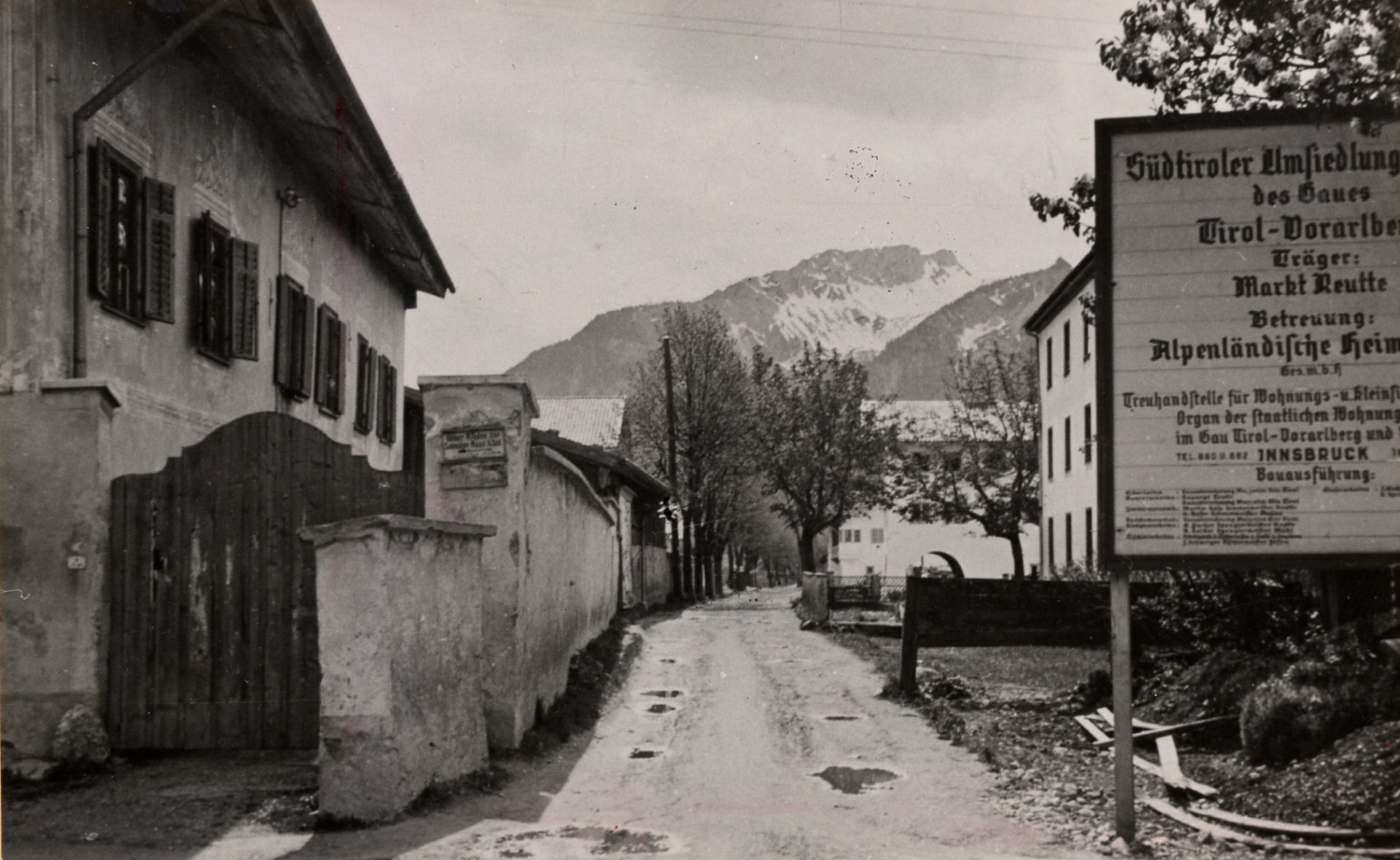
Wohnraum und Arbeitsplätze für Aussiedler
Für die Südtiroler Aussiedler wurde in der neuen Heimat Wohnraum benötigt. Als Standorte wurden Städte und Gemeinden gewählt, die einerseits Arbeitskräfte benötigten und wo andererseits ausreichend Platz für die Schaffung von neuem Wohnraum vorhanden war.
Reutte bot beides – heimische Firmen wie das Metallwerk Plansee, die Reuttener Textilwerke und die Uniformschneiderei Karl Hoff benötigten Arbeiter und das „Kleinfeldele“, ein freier Platz in der Nähe des Ortszentrums“, stand zur Bebauung zur Verfügung.
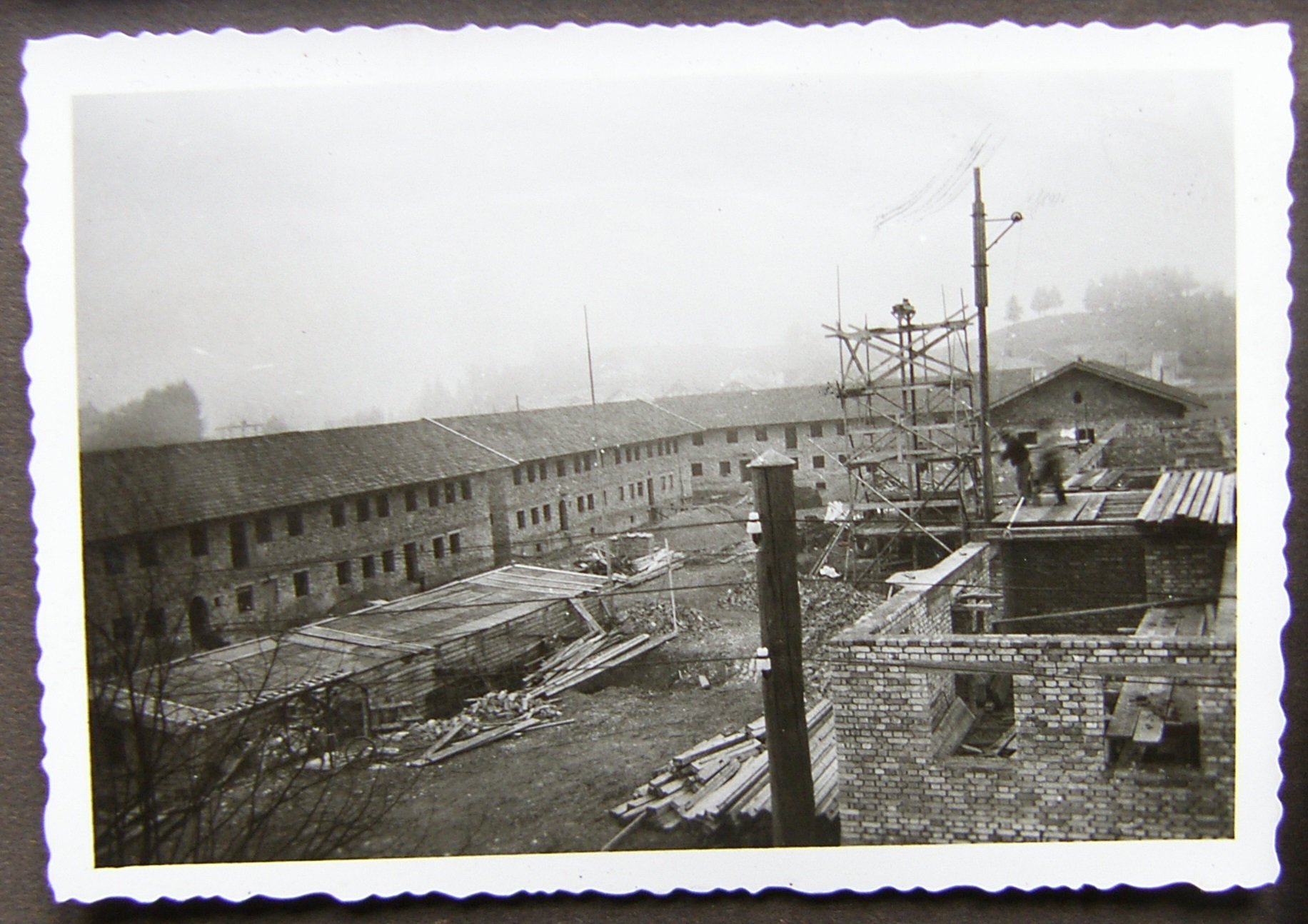
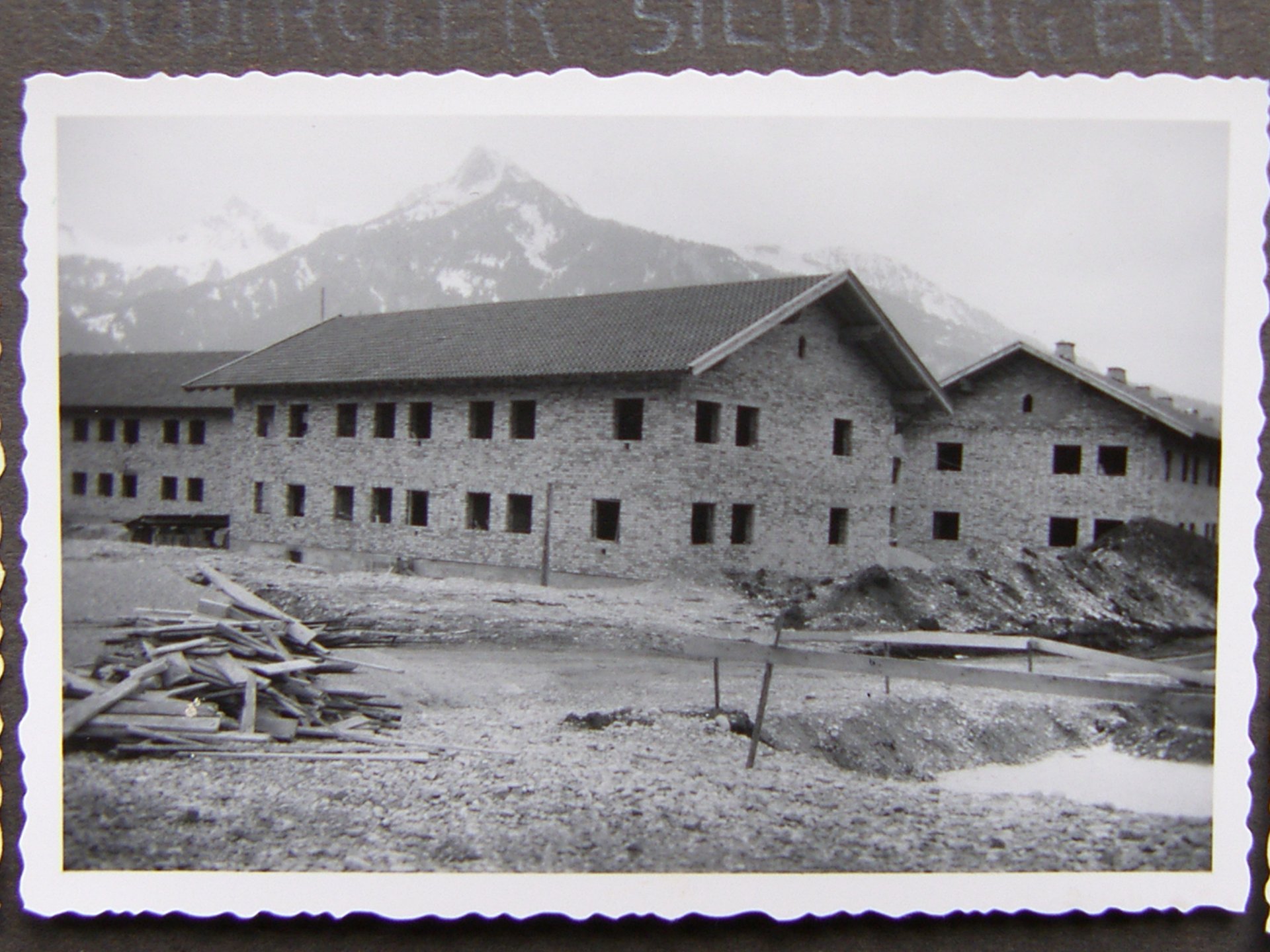
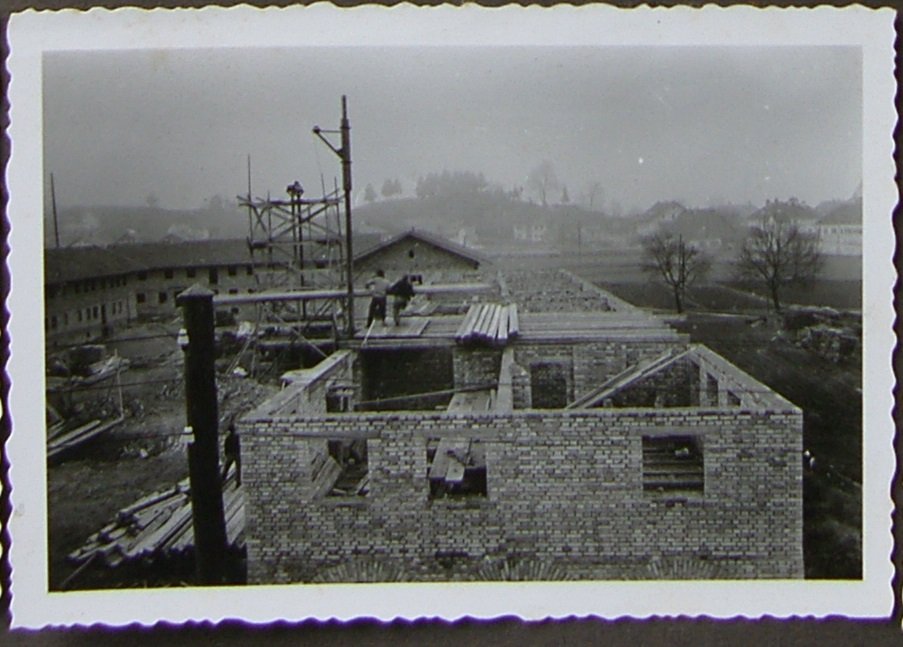
Der Bau der Südtirolersiedlung in Reutte
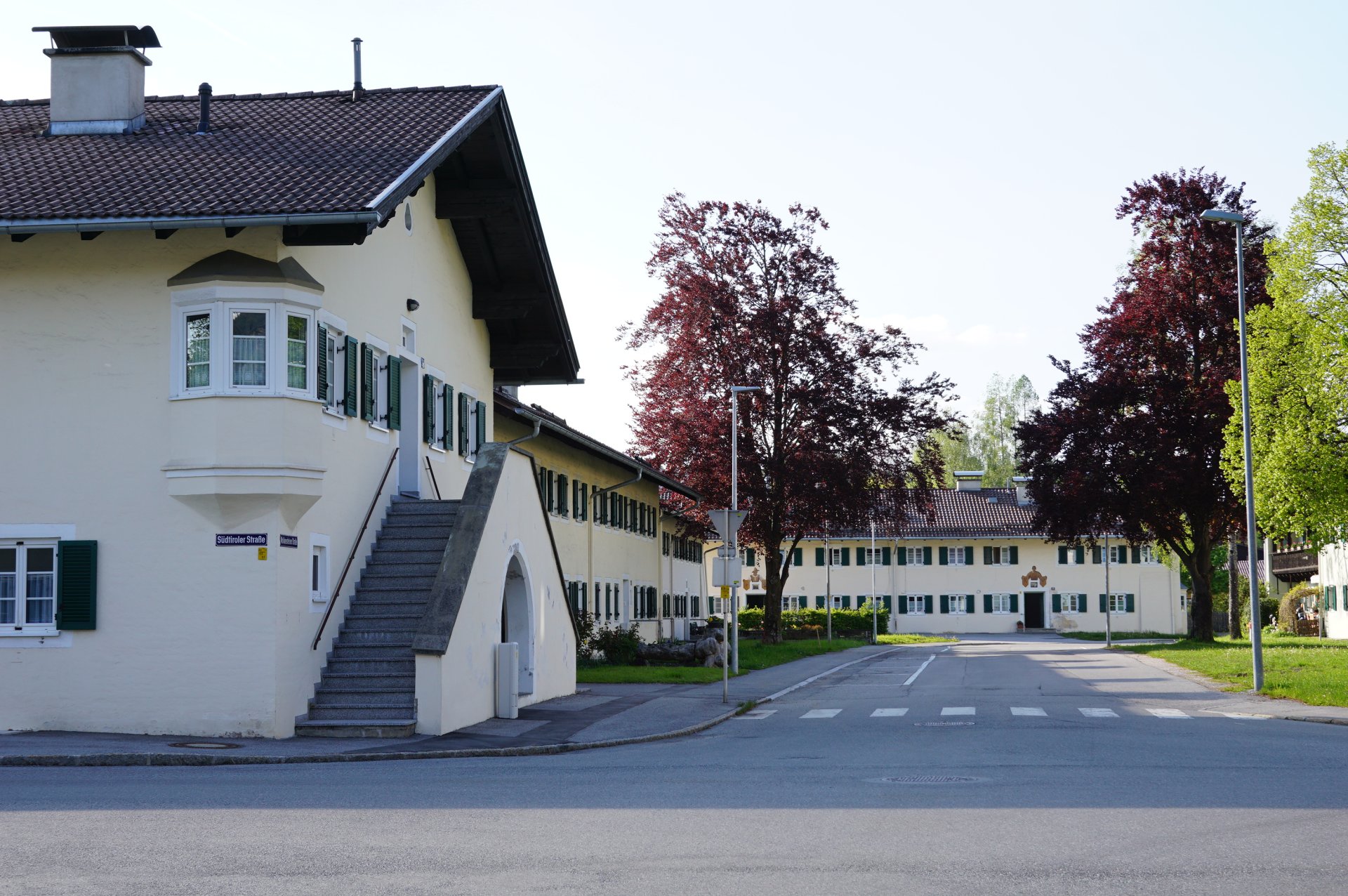
In Tirol wurden insgesamt 22 Siedlungen gebaut. Die Planung aller Siedlungen erfolgte zentral, regionaltypische Elemente wurden jedoch in die Architektur miteinbezogen. Der Bau in Reutte begann im Juli 1940 und wurde als kriegswichtig eingestuft – damit war er vom geltenden Neubaustopp ausgenommen. Es wurden fast ausschließlich heimische Unternehmen beauftragt.
Errichtet wurden die Häuser von der Alpenländischen Heimstätte.
Nach zwei Jahren wurden die ersten drei Gebäude an die neuen Bewohner übergeben.
Im November 1943 waren die restlichen Wohnungen, die Straßen und Grünflächen fertiggestellt. Entstanden sind 155 hochwertige Wohnungen in 18 Wohnhäusern, die für die damalige Zeit sehr komfortabel eingerichtet waren.
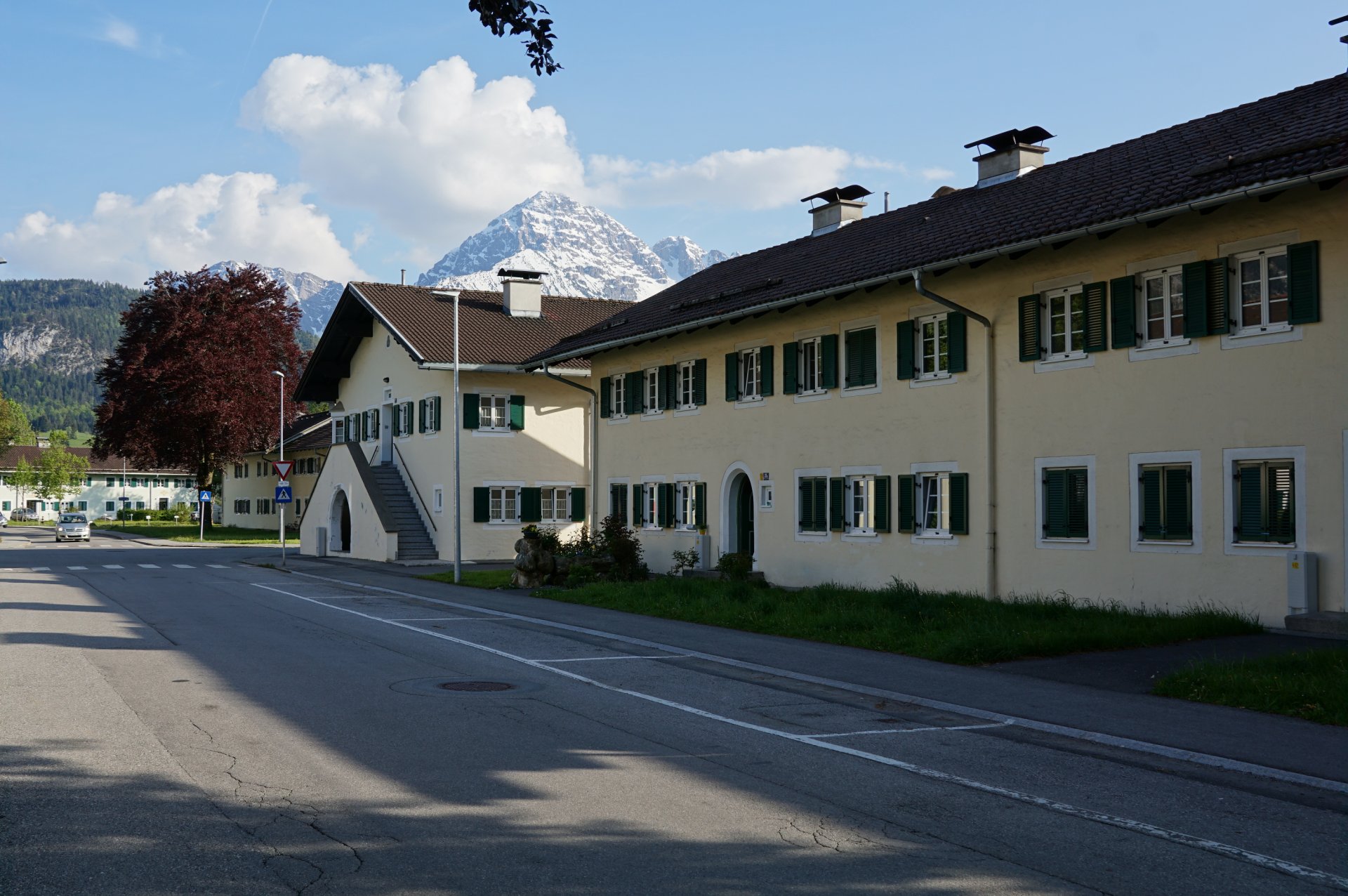
Wer wohnte nach Fertigstellung in der Südtirolersiedlung?
Man würde nun annehmen, dass dies ausschließlich Südtiroler Umsiedler waren. Tatsächlich jedoch waren von den 501 Personen, die eingezogen sind, 261 Personen keine Umsiedler.
Ein Teil der Wohnungen wurde an „Nichtumsiedler“, also Kriegsversehrte und Fliegergeschädigte, Einheimische, die ihre Altbauwohnung für Umsiedler zur Verfügung gestellt hatten und Parteifunktionäre vergeben.
Ein Blick ins Innere
Viele Mieter hatten hier erstmals eine eigene Wohnung mit einer abschließbaren Wohnungstüre. Auch viele Reuttener kannten den Komfort und die Privatheit einer eigenen Wohnung nicht, da das Zusammenleben von Großfamilien in einem Haushalt damals noch üblich war.
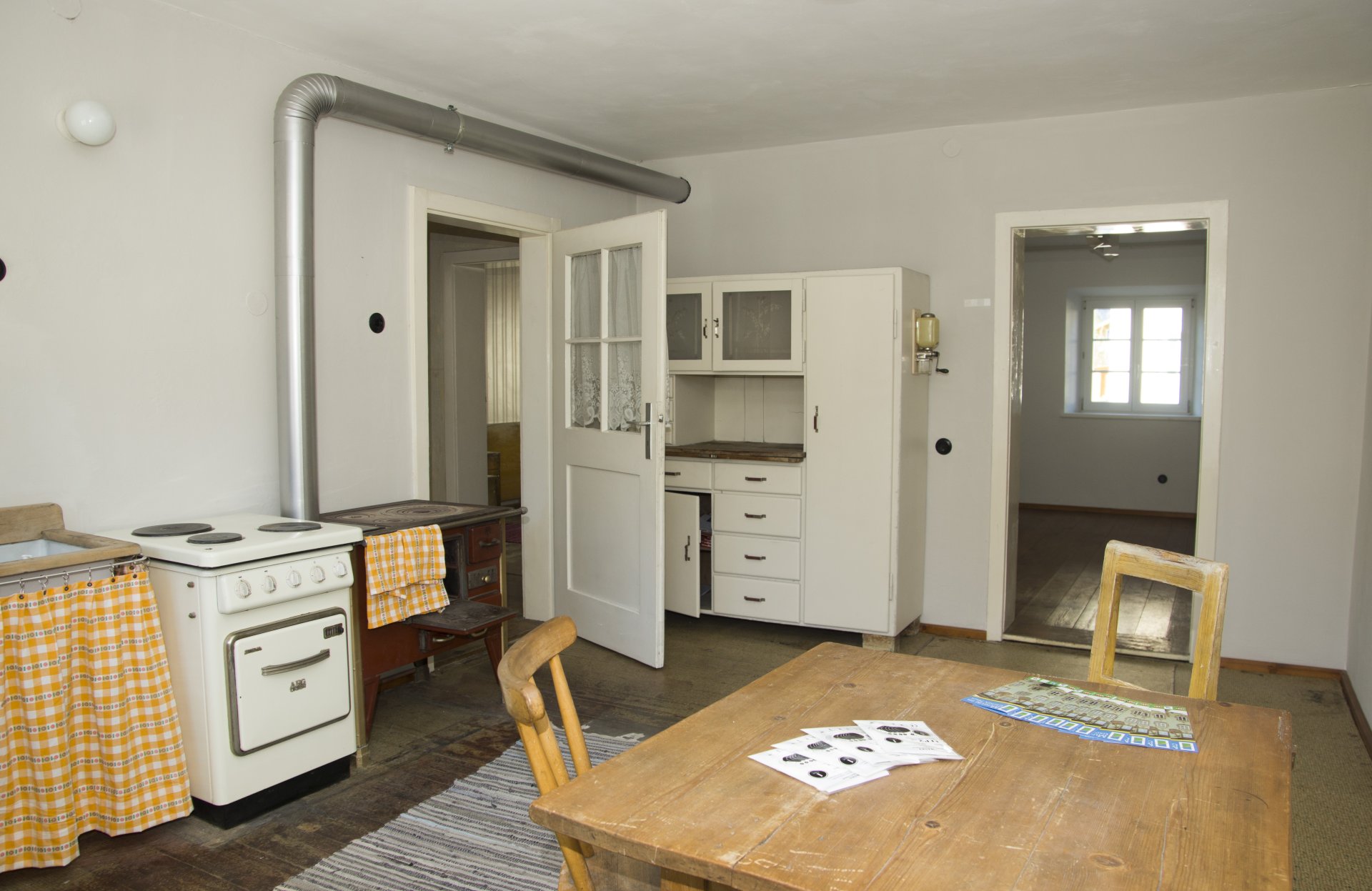
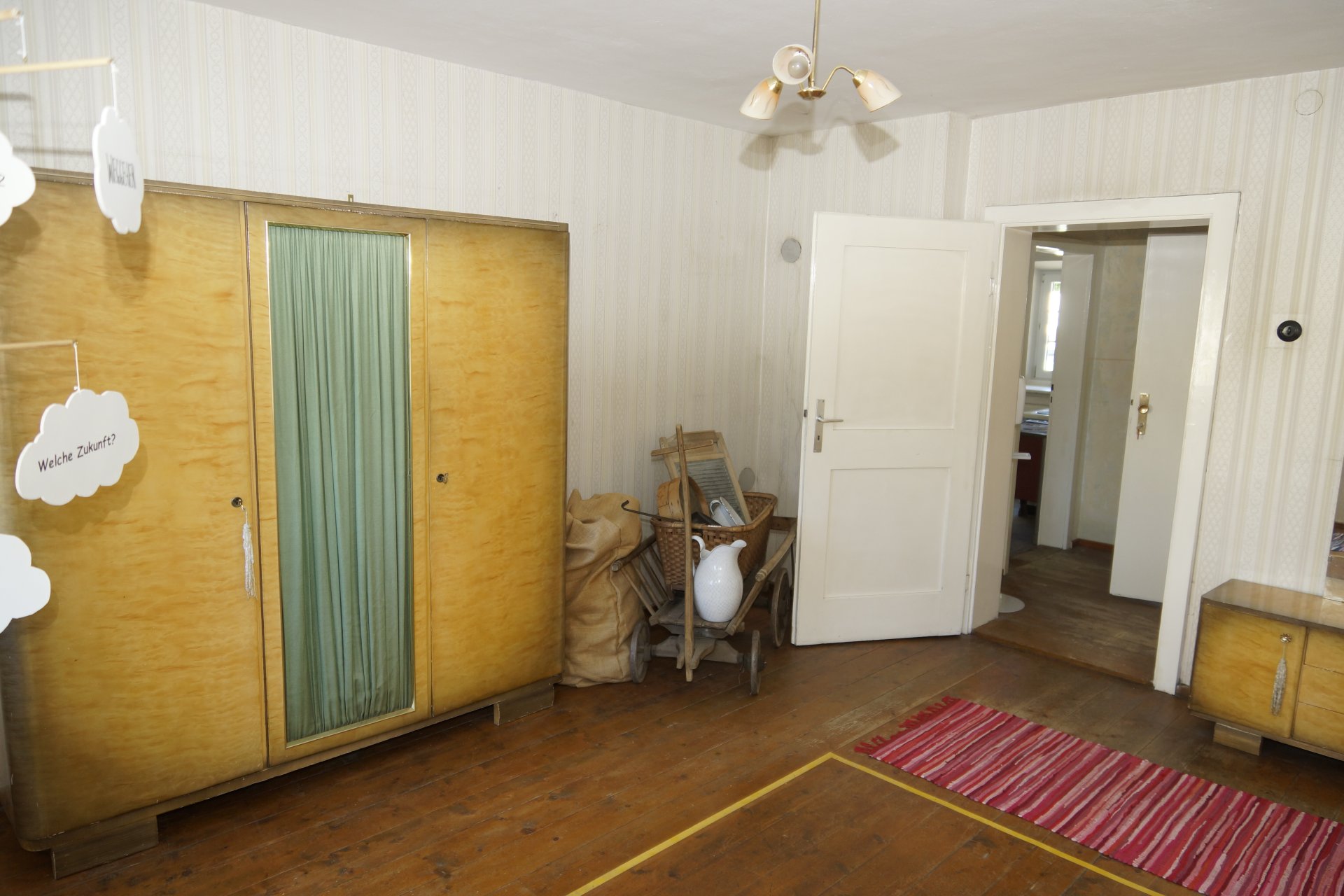
Die Wohnung für eine Familie mit 1 -3 Kindern hatte folgende Aufteilung:
Bad – Toilette mit fließendem Wasser (anstatt des vielfach auch in Reutte noch in Gebrauch befindlichen Plumpsklos) und Waschbecken (Anschlüsse für einen Holzboiler und eine Badewanne waren vorgesehen)
Küche mit Küchenzeile samt Waschbecken mit fließend Kalt- und Warmwasser,
als „Kühlschrank“ diente ein Verbau unter dem Fenster mit Lüftungsschlitzen nach außen
Elektro-Herd und Holzherd
Elternschlafzimmer mit Kaminanschluss
Kinderzimmer mit Kaminanschluss
Kellerabteil
Die übrige Einrichtung mussten die Leute selbst mitbringen. Speditionen transportierten hier was wenige Hab und Gut der Aussiedler nach Reutte, wo es – bis die Wohnungen bezugsfertig waren – eingelagert wurde.
Die Aussiedlerfamilien waren oft kinderreich. Großfamilien erhielten entweder eine Wohnung mit zwei Kinderzimmern oder bei Bedarf zwei nebeneinanderliegende Wohnungen.
Es gab zudem einen Garten zur Selbstversorgung, auch einen Kinderspielplatz, einen Versammlungsplatz und viel Grünfläche.
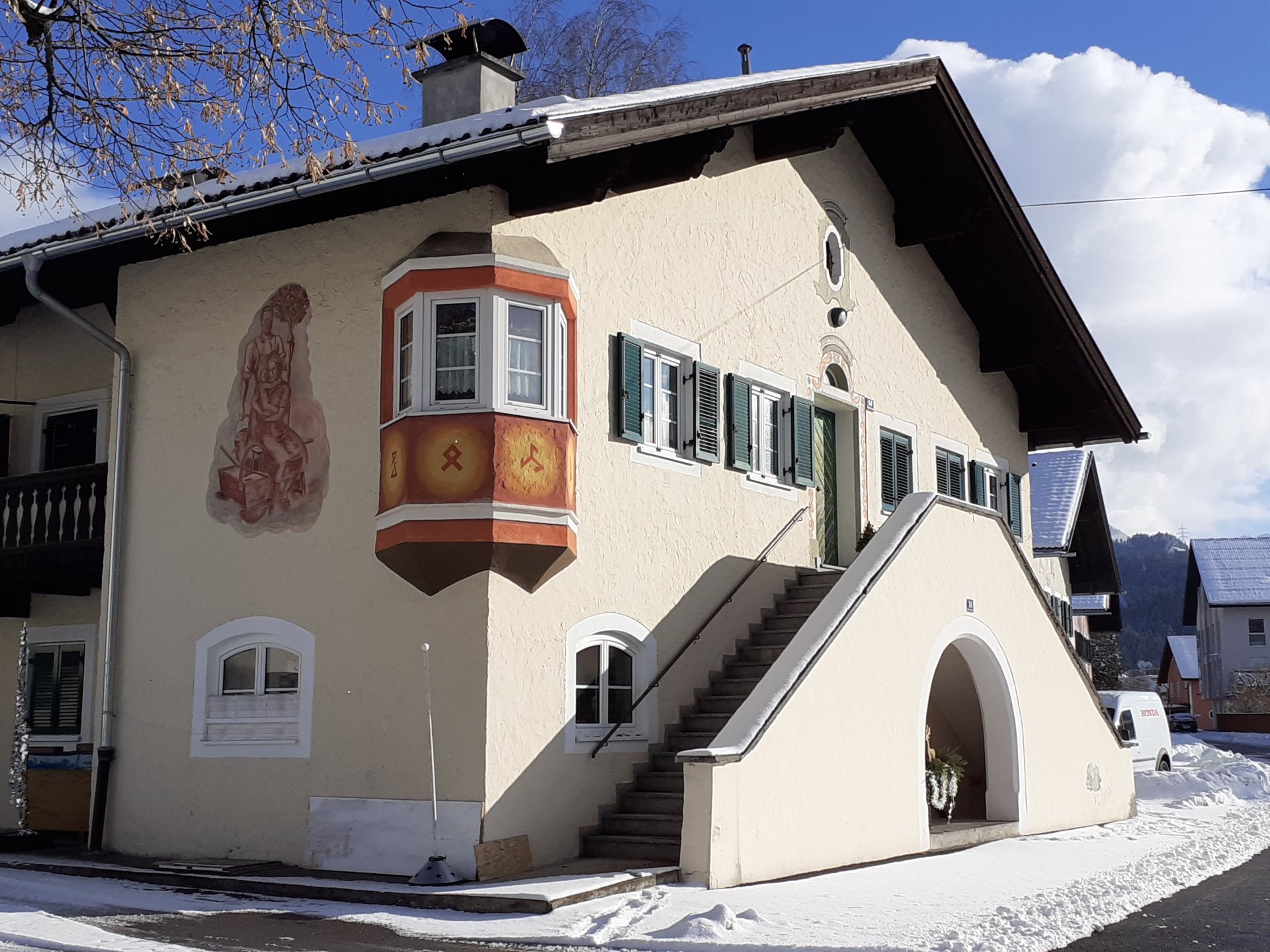
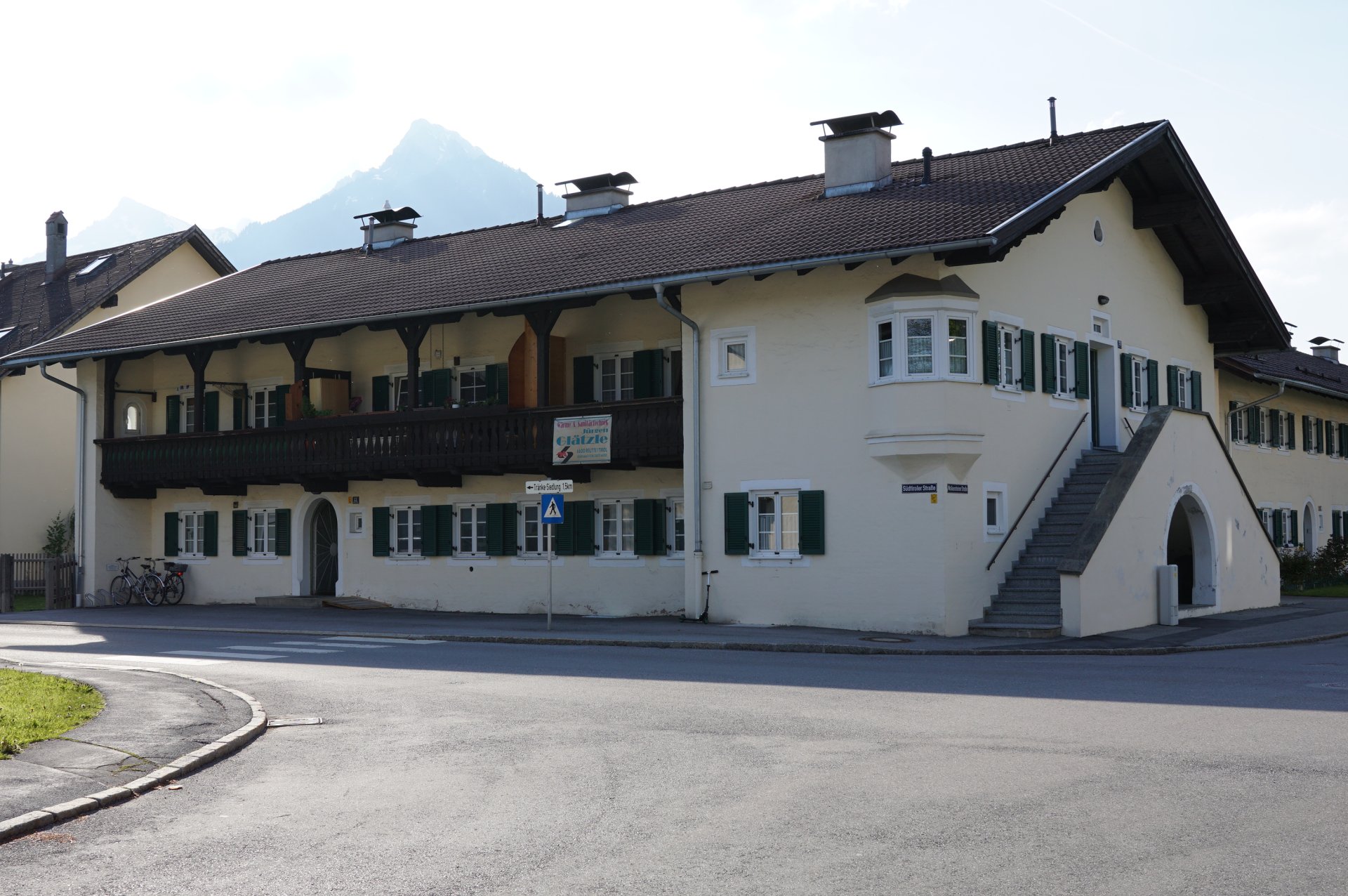
Obwohl die Südtirolersiedlungen zentral geplant wurden achtete man darauf, Elemente aus der alten Heimat Südtirol mit Elementen aus der neuen Heimat Reutte zu verbinden. Ein Beispiel dafür ist die charakteristische Doppelstiege des Marktgemeindeamtes – diese ist auch in der Südtirolersiedlung zu finden. Die schönen großen Holzbalkone wiederum sind typisch für Südtiroler Bauernhöfe und wurden ebenfalls in der Südtirolersiedlung berücksichtigt.
Fassadengestaltung mit Botschaft
Auf den Fassaden der Häuser wurden vom Maler Karl Heinrich Walther Kühn Darstellungen
angebracht, die der damaligen Ideologie entsprechen und einen Rundgang lohnen. Neben einem Wappenflies mit den Wappen von Südtiroler Gemeinden und Städten am Eingang zur Siedlung sind Szenen aus dem bäuerlichen Leben (mit klarer Rollenverteilung innerhalb der Familie), Leistungs- und Erfolgsdevisen und ornamentale Runenszenen zu sehen.
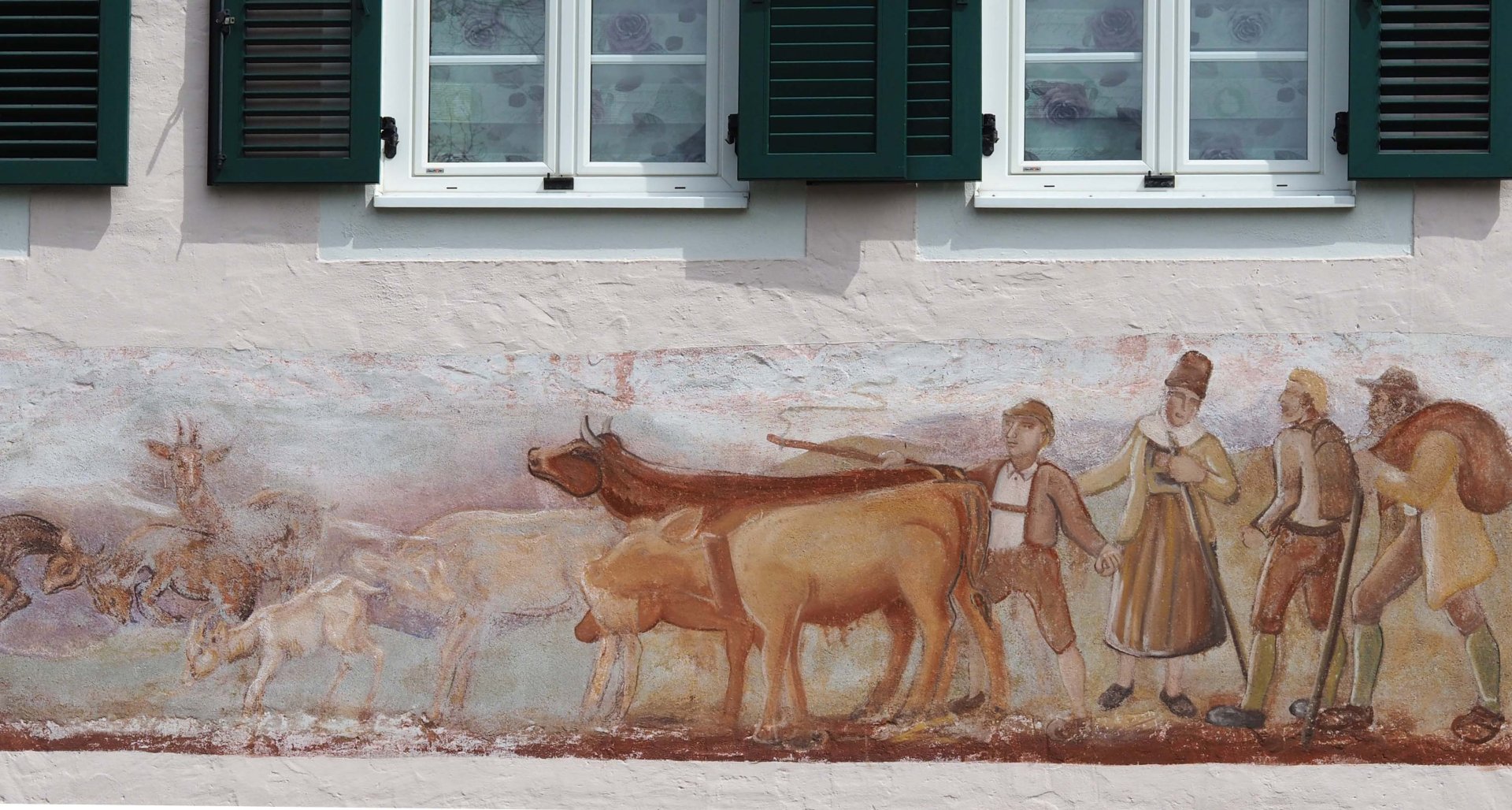
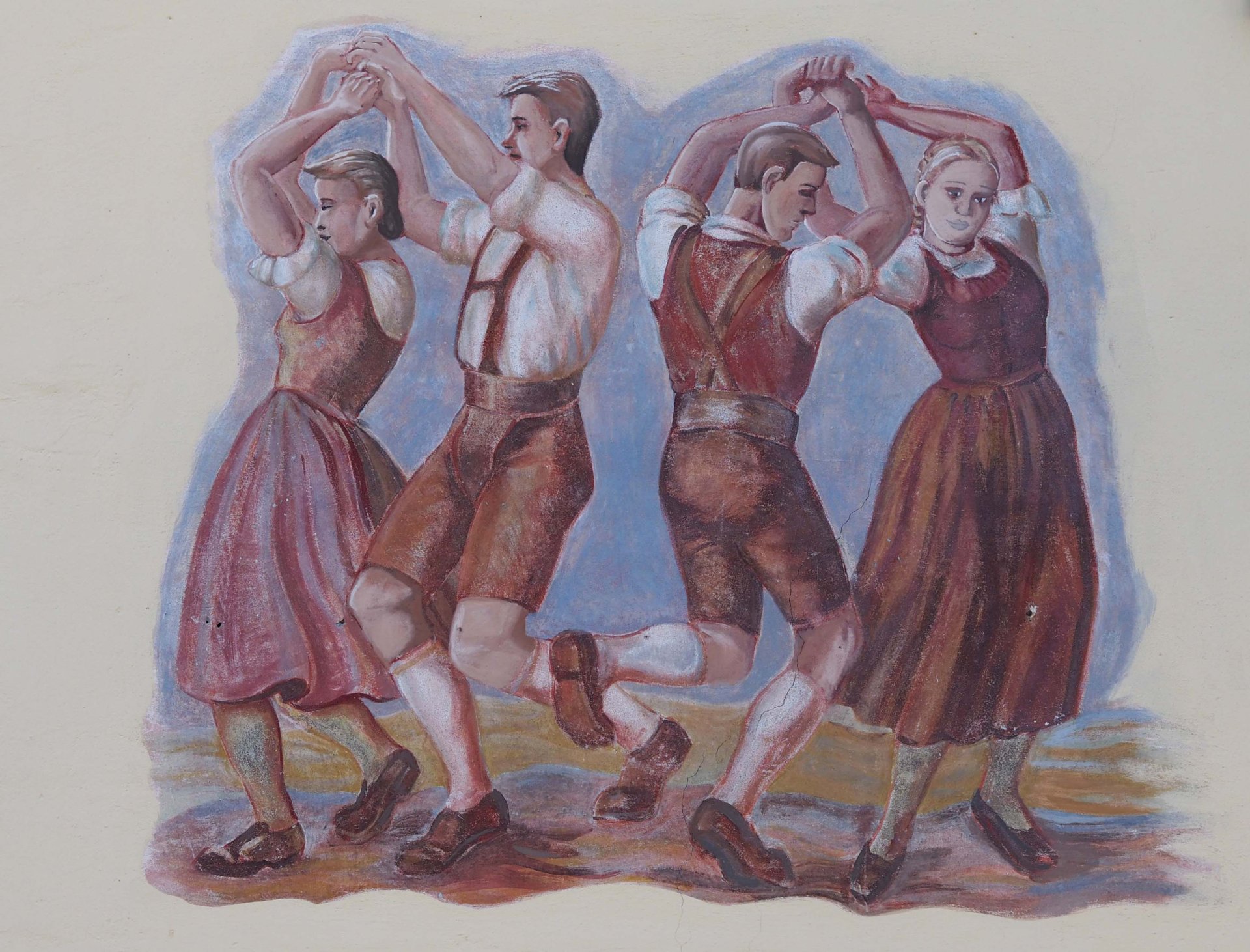
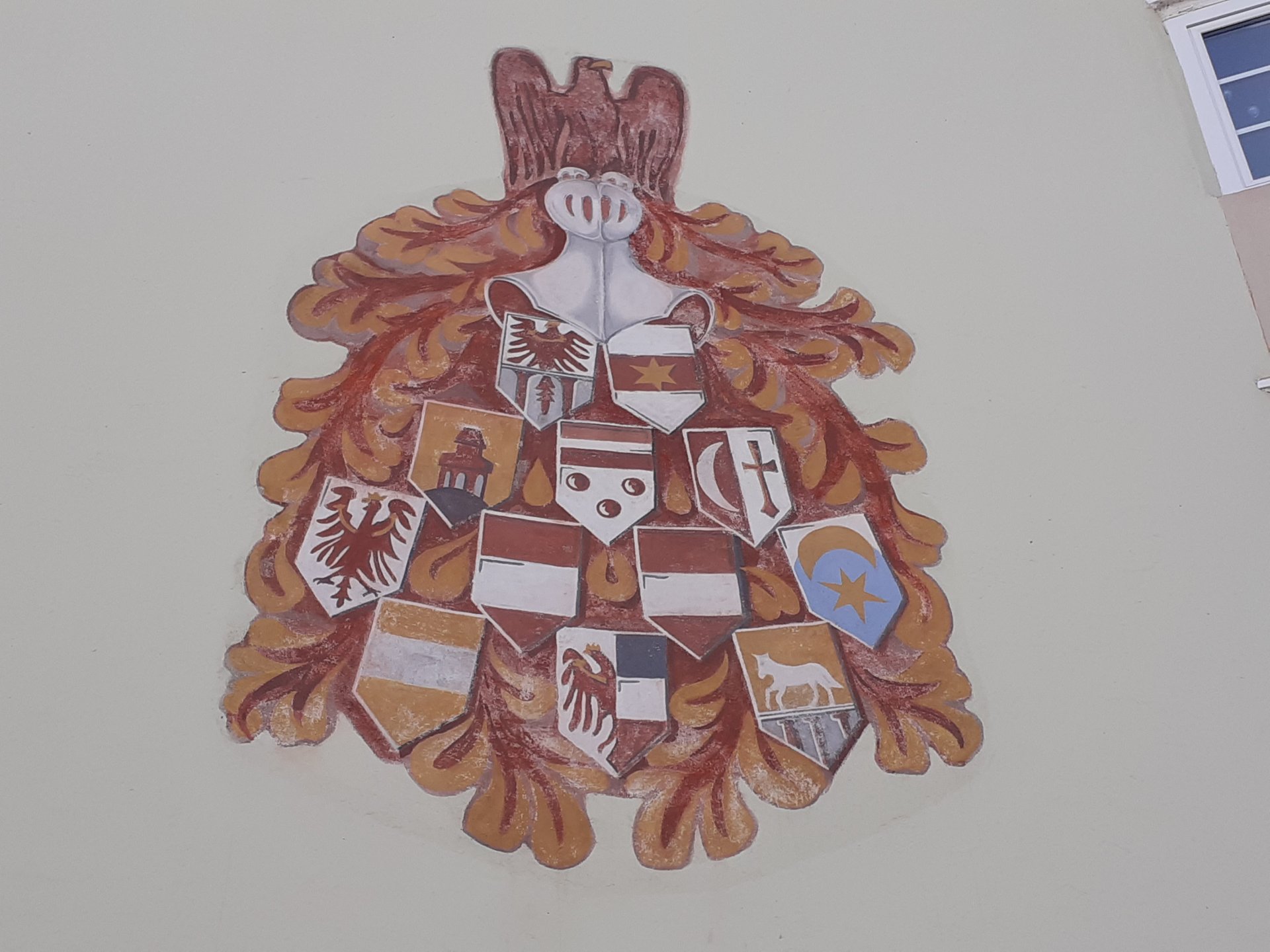
Zwei dieser Malereien möchte ich Euch hier vorstellen:
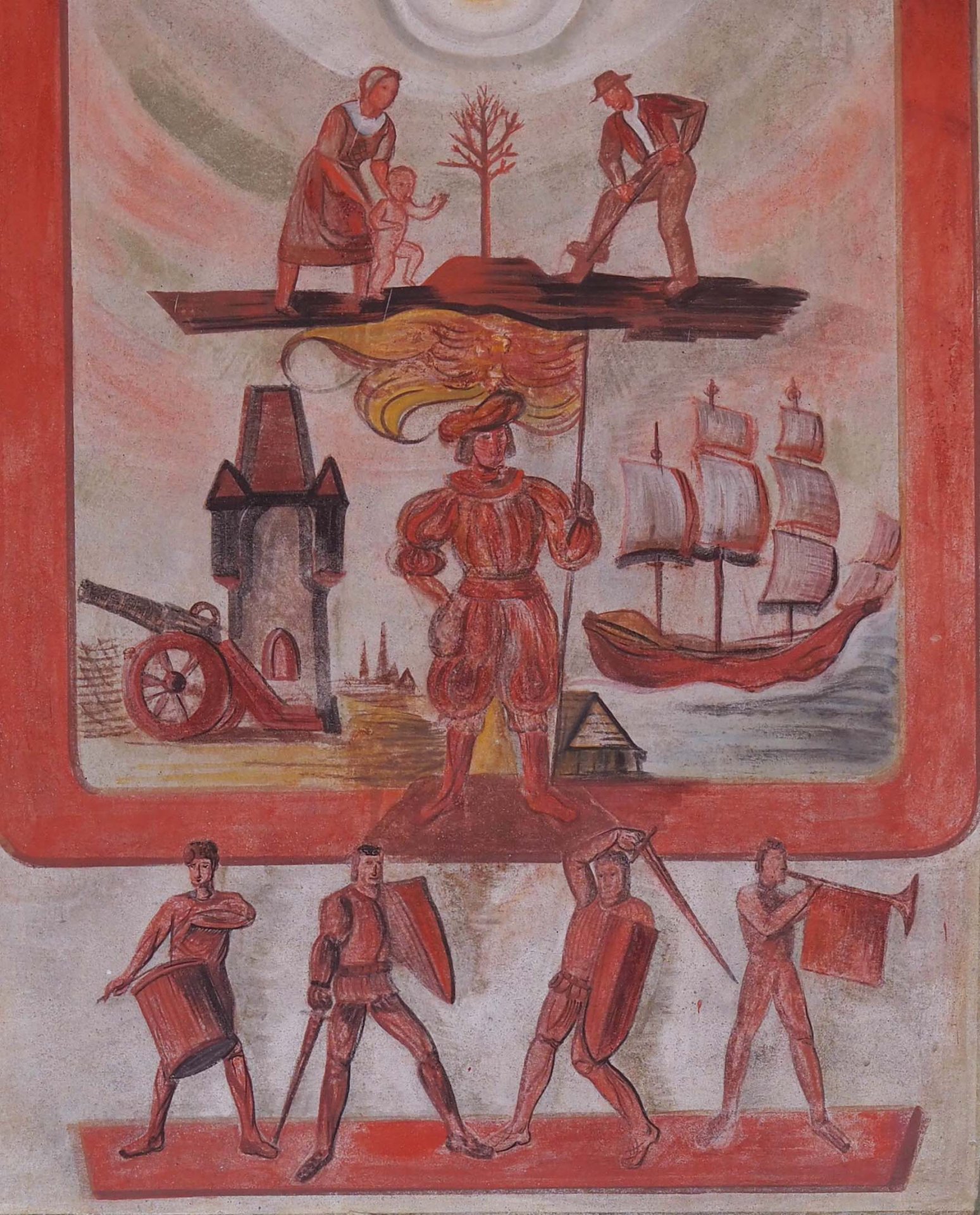
Wolkensteiner Straße 26
Hier sehen wir eine dreigeteilte Darstellung. Die unterste Ebene zeigt ein mittelalterliches Ritterbild mit musizierenden und kämpfenden Rittern. In der mittleren Ebene sind in der Mitte und links der letzte Ritter und der erste Kanonier - Kaiser Maximilian I - und das Schiff zur Entdeckung Amerikas abgebildet. Die oberste Ebene zeigt eine Familie, die das Leben in der damaligen Gegenwart darstellt.
Der Hahn ganz links am Bildrand steht für den Morgen, die Eule rechts am Bildrand für den Abend.
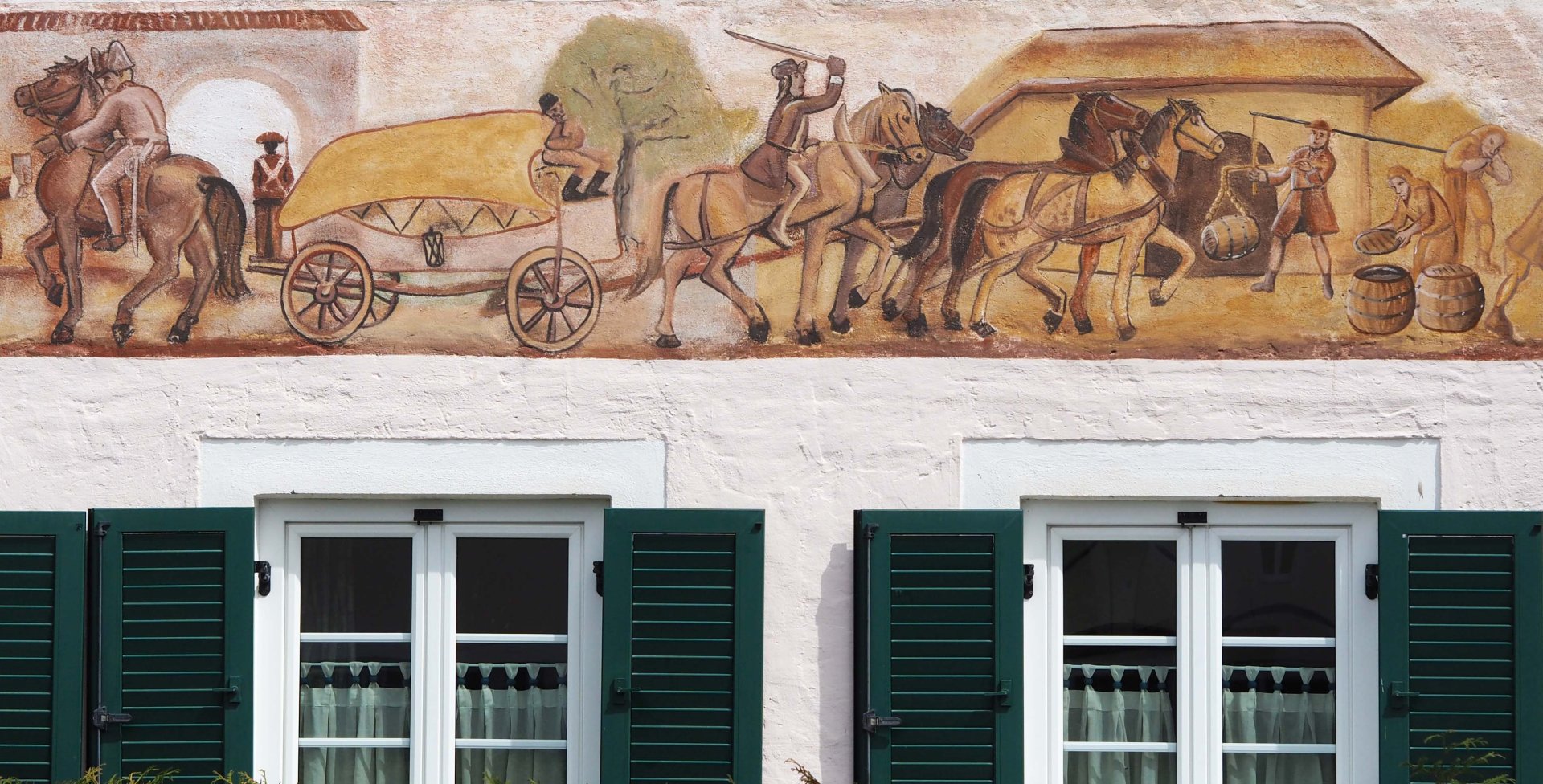
Wolkensteiner Straße 22
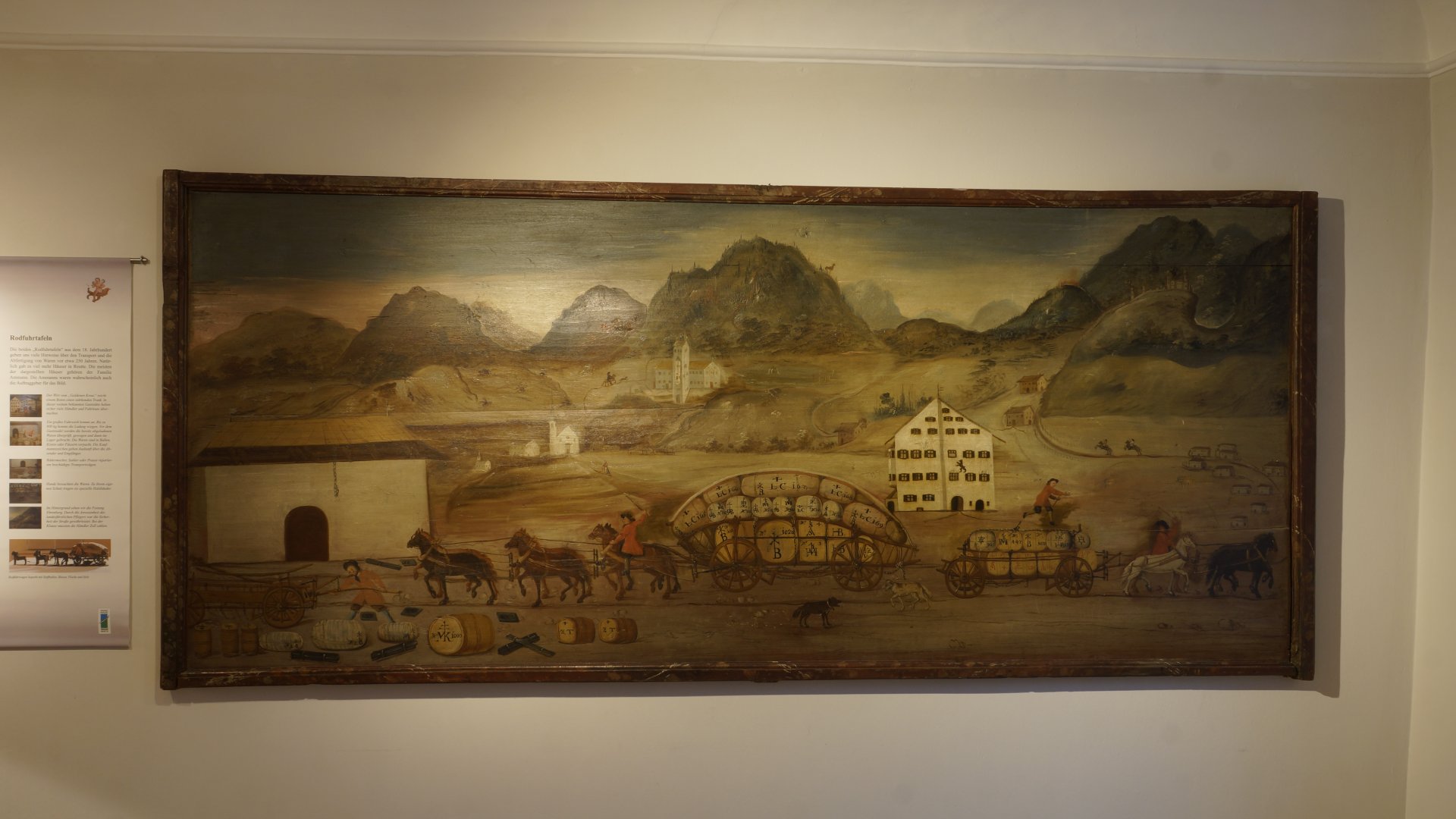
Diese Darstellung nimmt Bezug auf eine der beiden Rodfuhrtafeln im Museum im Grünen Haus, die Anfang des 18. Jahrhundert entstanden sind und sich mit dem in der Vergangenheit für die heimische Bevölkerung lebenswichtigen Salzhandel befassen.
In den letzten Jahren wurde viel über den Erhalt der Südtiroler Siedlung diskutiert. Es könnte hier zentrumsnah ein Vielfaches an zeitgemäßer Wohnfläche geschaffen werden, wenn man die Häuser aus den 1940er Jahren entfernen würde.
Noch ist die gesamte Südtirolersiedlung erhalten und zum Großteil bewohnt.
53 % der Südtirolersiedlung stehen unter Denkmalschutz und bleiben somit fix erhalten, der Rest könnte in der Zukunft abgerissen werden.
„Erinnerungsort Südtiroler Siedlung – Eine geplante Heimat?“
Der Museumsverein Reutte hat eine Wohnung in der Südtirolerstraße 12 auf die Entstehungszeit rückgebaut. In Zusammenarbeit mit der Marktgemeinde Reutte konnte der „Erinnerungsort Südtirolersiedlung“ geschaffen werden. Die Geschichte der Südtirolersiedlung in Reutte wurde hier anschaulich dokumentiert und bleibt somit für kommende Generationen erhalten. Die Wohnung in der Südtirolerstraße 12 kann im Rahmen einer Führung durch die Südtirolersiedlung besichtigt werden. Das Interesse daran ist groß – Schulklassen, Reisegruppen, Vereine und Einheimische gleichermaßen buchen Führungen und lernen dadurch die neuere Geschichte von Reutte besser kennen.
Führungen durch die Südtiroler Siedlung mit Besuch des Erinnerungsortes:
Führungen finden jeden 3. Mittwoch im Monat statt, nämlich am 15. Mai / 19. Juni / 17. Juli / 21. August / 18. September und 16. Oktober 2024, jeweils um 17:30 h. Treffpunkt ist im Museum im Grünen Haus, Untermarkt 25. Die Führungen dauern ca. 1,5 Stunden und sind kostenlos mit der Aktiv Card der Naturparkregion Reutte!